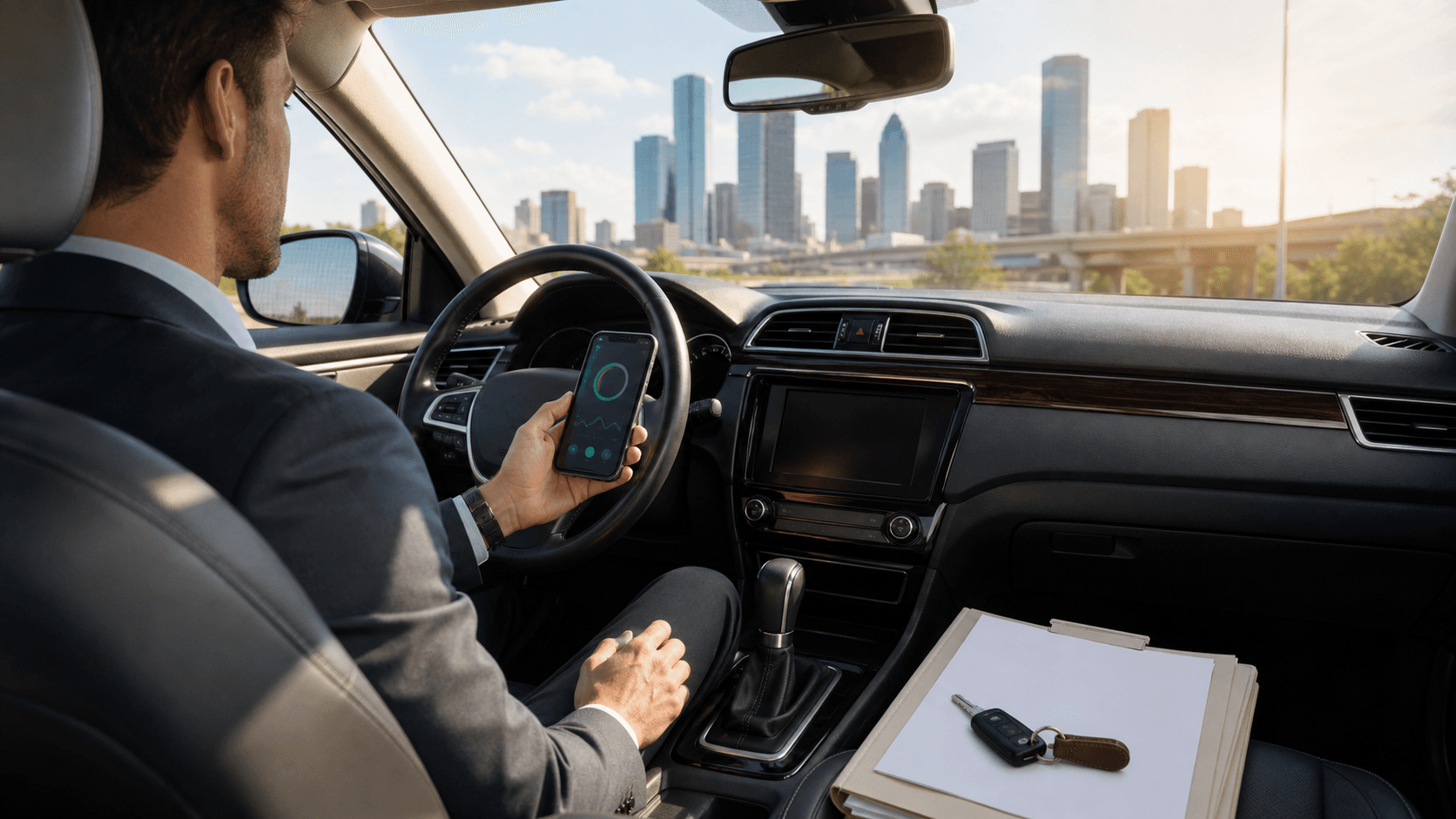
Houston commuters spend a lot of time in traffic, and our cars take on a special role in our daily routine. When your vehicle sits all day in a work parking lot, it faces a different set of risks than a car that stays in a garage at home. That is why your auto insurance plan needs to match your actual commute, not just a rough guess from a few years ago.
In late September, Houston roads feel different. School is in full swing, rush hour grows heavier, daylight gets shorter, and fall storms pop up more often. If you drive to an office and leave your car parked for hours, you deal with parking lot accidents, vandalism, hail, and even flood risk. This checklist walks through mileage-based pricing, telematics programs, and common coverage gaps so you can line up the right protection at a fair price for the way you really drive.
Stay Protected During Houston's Fall Commute Rush
As fall routines start, more families are back on the road during school drop-off and pick-up times. That means tighter gaps in traffic, more sudden stops, and longer lines at lights and freeway ramps. Afternoon thunderstorms and early sunsets make the drive home trickier too.
If your car sits at work most of the day, it faces risks you might not think about during the morning rush. Your vehicle can be:
- Hit in a parking lot accident
- Damaged by vandalism or theft
- Exposed to hail or heavy rain
- Sitting in a low spot during flood events
There is also a hidden issue when your job sometimes spills into your personal car. Quick work errands, moving supplies, or dropping items at a client site can shift your use from personal to mixed business. If your policy is set up as pure "pleasure" or simple "to and from work," that gap can cause headaches when it is time to file a claim.
Know Your Commute Profile Before You Shop
Before you compare auto insurance companies in Houston, TX, it helps to know your own driving story. Think of it as doing a quick audit of how, when, and where you drive.
Start with your mileage:
- How many miles is your one-way commute?
- How many days a week do you go into the office?
- Does your pattern change during the school year or holidays?
Next, think about how you use the car. Is it only personal, or do you sometimes:
- Run work errands for your employer?
- Carry tools, samples, or equipment?
- Do rideshare or food delivery on the side?
Be honest about this. Mislabeling your use can lead to a claim being questioned if something happens while you are on a work task.
Finally, look at where the car sits all day. Is it:
- In an open surface lot or a covered garage?
- In a gated or badge-controlled area, or open to the public?
- In a spot that tends to collect water during heavy rain?
All these details affect your risk for theft, hail, and flood damage while your car is parked at work.
Mileage-Based and Telematics Options for Houston Drivers
Many auto insurance companies in Houston, TX offer mileage-based or telematics plans, which can be a good fit for hybrid or part-time commuters.
Mileage-based pricing usually works in one of two ways. Some plans are true pay-per-mile, where you pay based on how many miles you drive. Others offer discounts if you stay under a certain mileage range each year. These can make sense if:
- You work from home several days a week
- You drive mostly short trips around your neighborhood
- Your car spends more time parked than rolling in traffic
If you have a long daily commute or take a lot of weekend road trips, a mileage-based setup might not be your best choice.
Telematics programs use a smartphone app or a small device in your car. They can track:
- Braking and acceleration
- Speeding and sharp turns
- Time of day you drive
- Actual mileage
Safe habits can lead to discounts, and some programs give feedback to help you drive smoother. The tradeoff is privacy. The company gets detailed driving data and may apply surcharges if it flags your driving as risky. Before you sign up, ask:
- What data is tracked, and how is it used?
- Can my rate ever go up based on the data?
- How often is my score reviewed?
Hidden Coverage Gaps for Parked-at-Work Vehicles
Many commuters only think about accidents on the road, not what happens when their car is sitting still. Coverage while your vehicle is parked is usually handled by comprehensive, not collision.
Comprehensive can cover things like:
- Theft or attempted theft
- Vandalism and broken glass
- Hail damage
- Flood damage
Collision usually applies when you hit something or are hit while driving. If your car is sideswiped in the lot or damaged in a hit-and-run while parked, the claim can fall under different parts of your policy, depending on the details. Liability alone generally will not repair your own vehicle, so relying only on liability can leave a big gap.
There is also the business-use issue. If you:
- Drop off documents
- Pick up supplies
- Make deliveries
and your car is rated as "pleasure use" or "commute only," your policy may not match your real risk. In some cases, that mismatch can cause limits or denials. It is smart to talk through your day-to-day tasks so the use type on your policy lines up.
Think through parking lot situations too. What if:
- A coworker bumps your car and leaves without a note?
- A tree limb falls in a storm?
- Flash flooding fills the lot during a heavy rain?
Your deductible, rental reimbursement, and towing coverage all come into play. If your car is in the shop for repairs or flood cleanup, rental coverage can help keep your commute going.
Comparing Auto Insurance Companies in Houston, TX
When you look at auto insurance companies in Houston, TX, you want more than a quick online quote. You want a company that understands local risks like bayou flooding, hurricane season, and heavy urban congestion.
Things to compare include:
- How flexible the policy is if your work schedule changes
- Options to adjust your annual mileage mid-term
- Availability of telematics or usage-based programs that fit your comfort level
Service matters as much as coverage. Pay attention to:
- 24/7 claims options
- How adjusters handle flood and hail claims
- How quickly they help you set up a rental or other transportation
Working with a local, independent agency can help you sort these pieces and compare multiple companies side by side.
Seasonal Safety Checks for Fall and Hurricane Season
Late September sits near the heart of hurricane season and brings more storms and darker evening commutes. That mix can make rush hour more stressful and can raise the odds of a claim.
A simple fall car check can help:
- Inspect tires and brakes for frequent stop-and-go in wet weather
- Make sure wipers clear the windshield cleanly
- Confirm all lights work well for earlier sunsets
- Keep a basic emergency kit in your car or at your desk
This is also a smart time to review your policy. Look at:
- Comprehensive limits and deductibles
- Rental reimbursement, especially if you rely on your car for work
- Towing and roadside assistance, if you face long freeway drives
Put a Houston-Focused Auto Insurance Plan in Place Now
As your work routine shifts with the season, it is worth matching your auto coverage to the way you really drive and park. Gather your commute details, note where your vehicle sits during the day, and compare that to the use type and coverages listed on your current policy documents. Any mismatch is a sign you may need an update.
At Navigant Insurance, our local team, led by Ricky Wong and supported by insurance professionals with two decades of experience, focuses on helping Houston drivers build auto coverage that fits real commuter life. We work together to customize protection around your commute pattern, parked-at-work risks, and changing work schedules so your car is covered both on the road and while it waits for you at the office.
Protect Your Business Vehicles With the Right Coverage Today
If you are comparing auto insurance companies in Houston, TX, we can help you find coverage that fits how your business really operates. At Navigant Insurance, we take the time to understand your vehicles, drivers, and risk so your policy actually works when you need it. Reach out so we can review your current coverage, identify gaps, and provide clear options. Have questions or prefer to speak with someone directly? Just contact us to get started.